

POS System Malaysia Price: How to Choose from Free to RM10,000
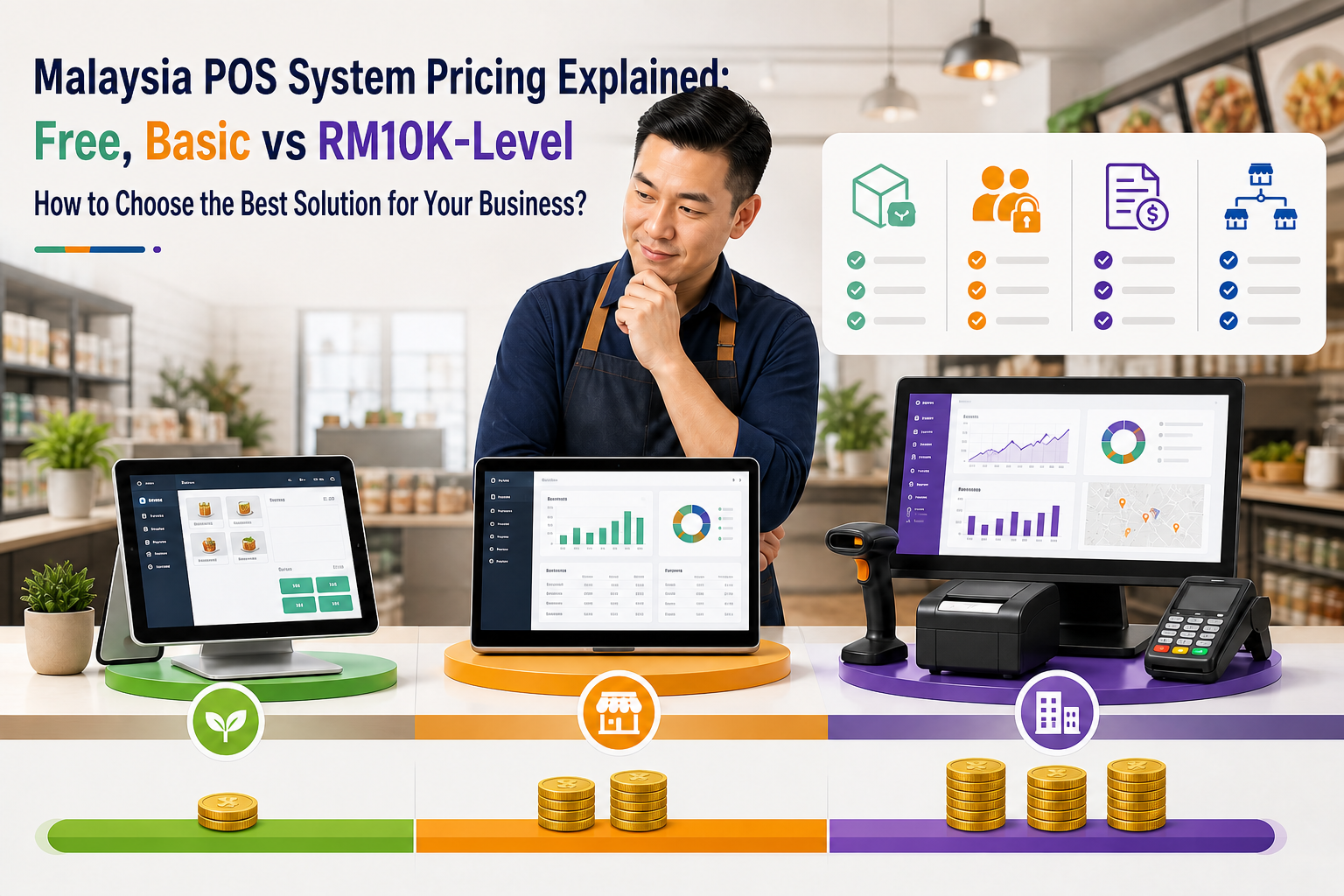
POS system pricing in Malaysia ranges from free software to monthly subscriptions and customised deployments. The right comparison is not only the purchase price. It is the total cost of software, hardware, setup, integrations, support and future maintenance.
What is a POS system?
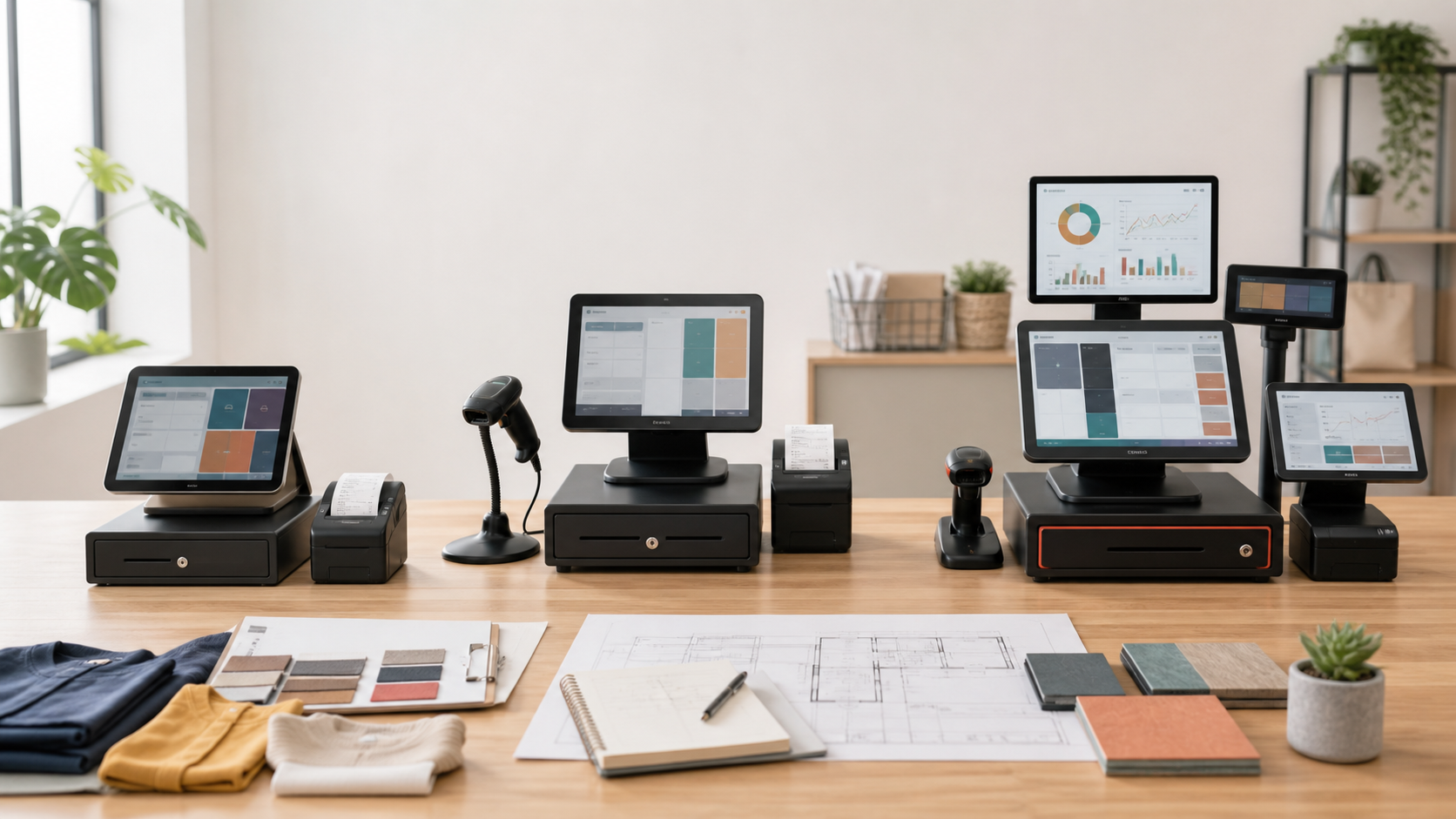
POS means Point of Sale. A modern POS system can record sales, process payments, print receipts, manage products, track inventory and generate reports. It may also include staff permissions, loyalty, e-Invoice integration and multi-store management.
A complete POS setup may include:
· Checkout and payment screen
· Product and price management
· Barcode scanning
· Inventory records
· Returns and discounts
· Sales reports
· Staff permissions
· Customer and loyalty data
· Card, QR and e-wallet payments
· e-Invoice-related functions
· Multi-store data sync
So, two systems can both be called a POS, yet their prices can vary greatly. One may be just a checkout app, while another may connect stores, warehouses, employees and headquarters on a single data platform.
What is the typical POS system price in Malaysia?
Public pricing shows several common models: free software, monthly subscriptions and customised deployments. Hardware, payment fees, taxes, extra devices and custom integrations may be charged separately.
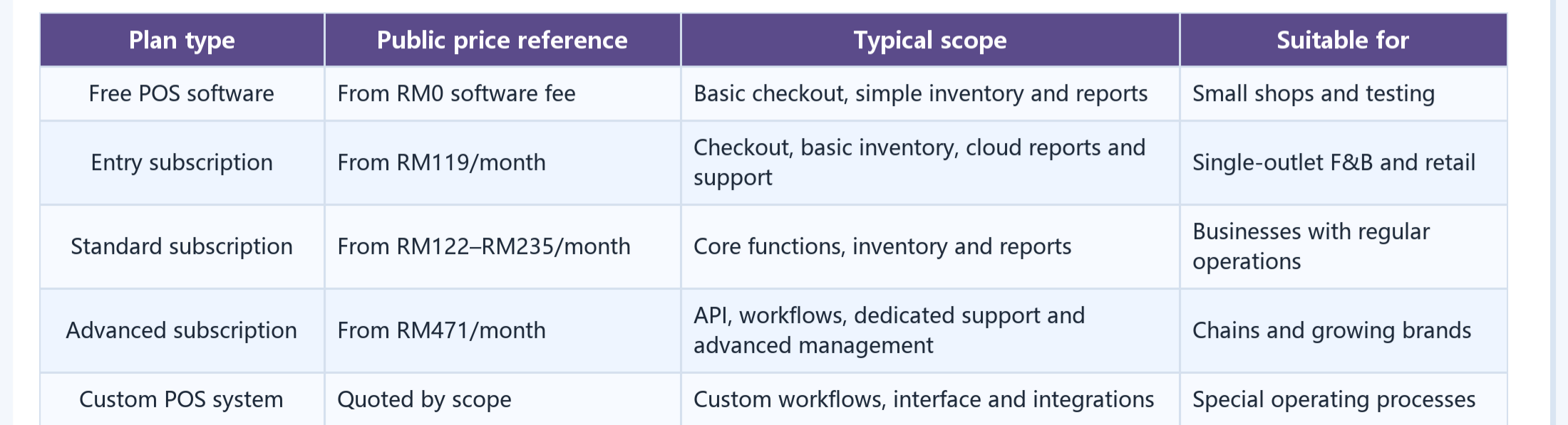
StoreHub Malaysia publicly lists Starter from RM122/month, Advanced from RM235/month and Pro from RM471/month. The inventory, reports, multi-store capabilities, APIs, and custom features included vary across different plans, and the final cost shall be subject to the official quotation.
iCHEF Malaysia lists Lite at RM119/month and Unlimited at RM229/month, with an additional device licence at RM75/month. The page also lists various items such as inventory, CRM, cloud-based reporting, food delivery platform integration, and training.
Loyverse offers free POS software with optional paid add-ons, but its public prices are displayed in US dollars.
Free POS versus paid POS
A free POS can be suitable for a single outlet with a small product catalogue and a simple checkout process.
Before using it, please confirm the following questions:
· Is it available for long‑term free use?
· Is there a limit on the number of products?
· How long are sales records retained?
· Does it support inventory deduction (stock reduction)?
· Does it support employee permissions (role‑based access)?
· Can it connect to printers and barcode scanners?
· Does it support local payment methods?
· Does it support e‑invoices (e‑Invoice)?
· Is customer support available if issues arise?
A paid POS may reduce manual work, update inventory automatically, show staff sales and provide remote reporting. However, a higher subscription is not useful if the business does not use the extra functions.
Where does the POS budget go?
Many business owners only realize after seeing the monthly fee that the true total cost includes other items as well.
1. Software Subscription Fees
Some providers charge per store, others per device, and some tier pricing based on feature modules. You should clarify whether the price is calculated per company, per store, or per device, whether there is a minimum subscription term, and whether you can export your data after cancellation.
2. Hardware Costs
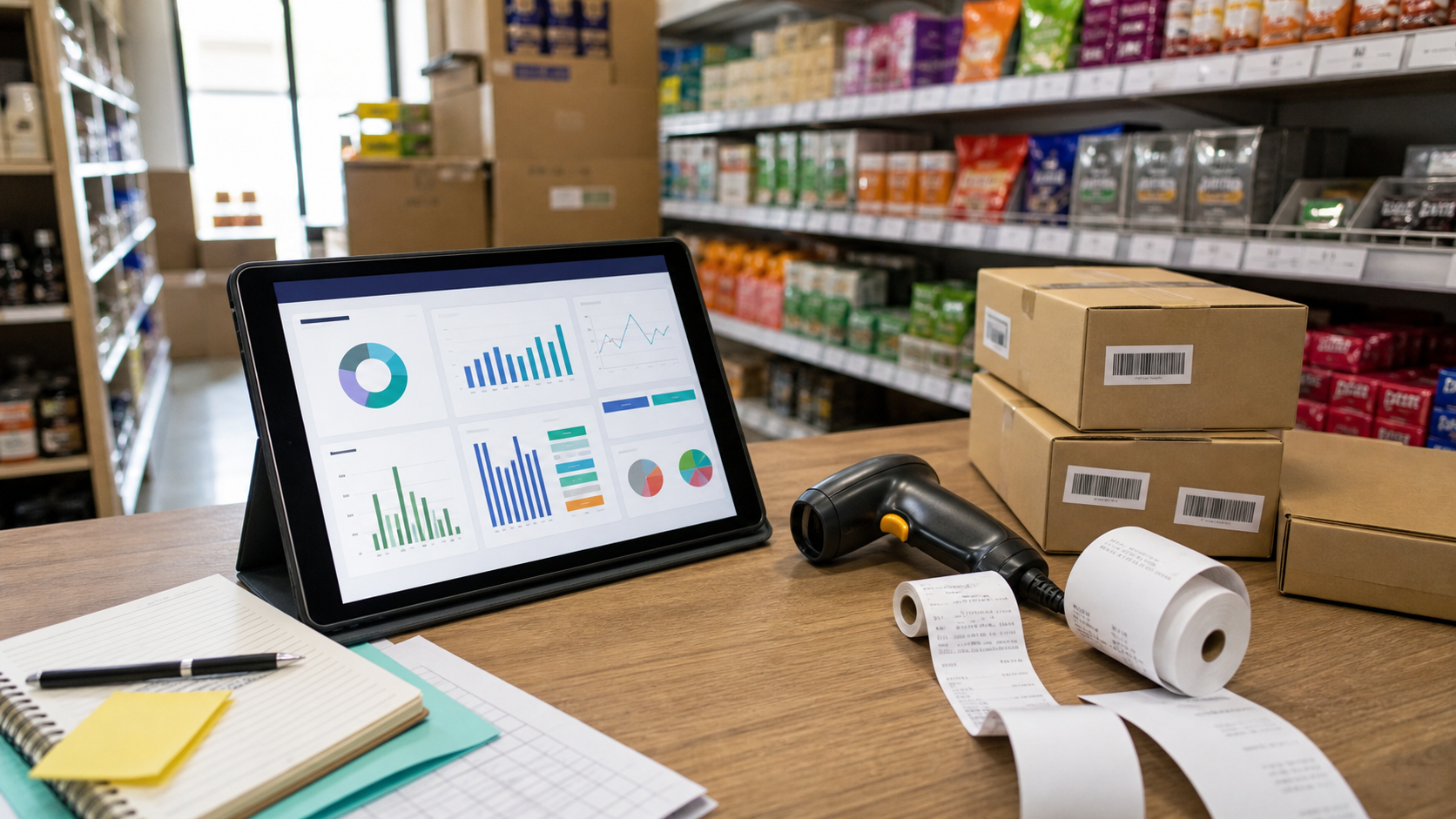
POS hardware may include tablets or touchscreens, cash registers, receipt printers, barcode scanners, cash drawers, kitchen display screens, customer display screens, and payment terminals. Some plans allow you to use your existing tablets or smartphones, while others require specific designated devices.
3. Installation and Training Fees
Installation typically includes setting up product catalogs, configuring tax rates and discounts, connecting printers, setting up employee accounts, training staff on usage, and testing the payment process. If your product range exceeds a few hundred items, the time required for data organization can also affect the quotation.
4. Integration Fees
If you need to connect to accounting software, e‑commerce platforms, food delivery platforms, loyalty systems, or e‑invoice systems, integration fees may apply. Before proceeding with integration, you should confirm whether it is a native feature or requires a third‑party API, whether an additional monthly fee is involved, and who is responsible for handling issues if something goes wrong.
How should a business choose a POS system?
1. Count outlets and checkout devices.
2. List the functions used every day.
3. Compare first-year total cost, not only monthly fees.
4. Ask the supplier to demonstrate your real checkout, return, stock, reporting and export workflow.
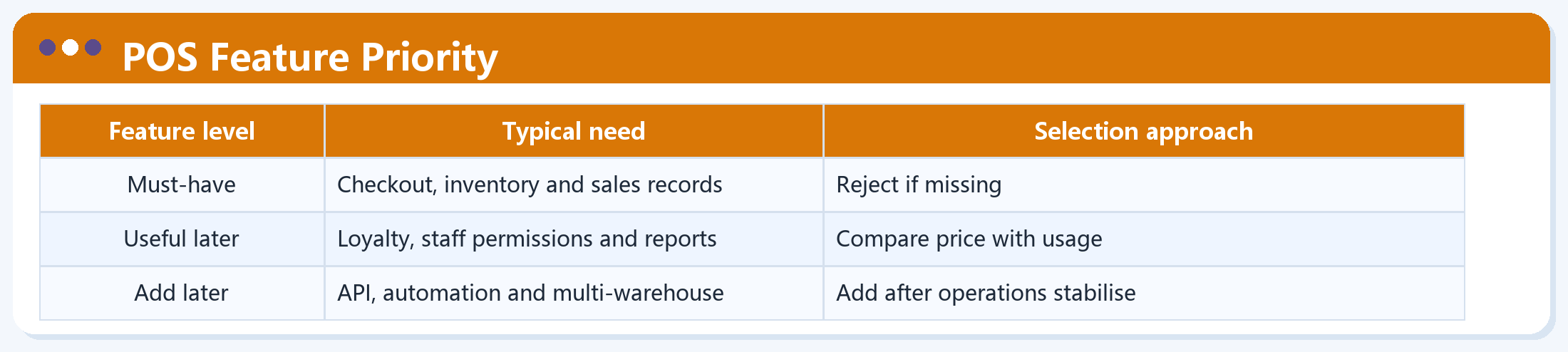
We suggest grouping features into three categories: must‑haves, nice‑to‑haves, and post‑stabilization additions. This will help you stay focused on what really matters rather than getting distracted by the sheer volume of options.
Should a business build its own POS system?
An off-the-shelf POS is usually faster when the business follows common retail or F&B workflows. Custom development is worth evaluating when there are special pricing rules, complex membership levels, central warehouse flows, proprietary apps or internal integrations.
A RM10,000 budget may or may not be enough. The answer depends on the product scope, number of outlets, hardware, payment integrations, inventory rules, deployment and maintenance. A written feature list should come before a final quote.
FAQ
How much does a POS system cost in Malaysia?
Public options range from free software to monthly plans such as RM119, RM122, RM229, RM235 and RM471. Hardware, setup, integrations and support may be additional.
Can a free POS system be used long term?
Some providers offer a free version, but limits may apply to sales history, advanced inventory, staff management or support.
What hardware is needed for a POS system?
Common hardware includes a tablet or touchscreen, receipt printer, barcode scanner, cash drawer and payment device.
Can a POS system support e-Invoice?
Some providers offer e-Invoice functions or integrations. Confirm the exact workflow with the supplier and check the relevant LHDN MyInvois requirements before purchase.
Can RM10,000 build a POS system?
It depends on whether you are buying an existing system, configuring hardware or developing a custom platform from scratch.